Nation’s Largest Working
Wildflower Farm
Wildflower Farm



Visit our 200-acre wildflower farm and vineyard, including a half-mile walking trail and gardens. Taste our estate grapes, featured in our award-winning wines, in the on site tasting room or grab a cold beer in the Brewbonnet. Spend the day on the farm and shop for gifts, seeds, plants, and more!

More than 1,000 cultivated acres in Texas. Wildseed Farms works with growers across the globe to ensure a high germination and purity standard in all our seeds.

Taste the fruits of our labor. Join us in the onsite tasting room for a guided wine experience.
Walk-ins welcome.
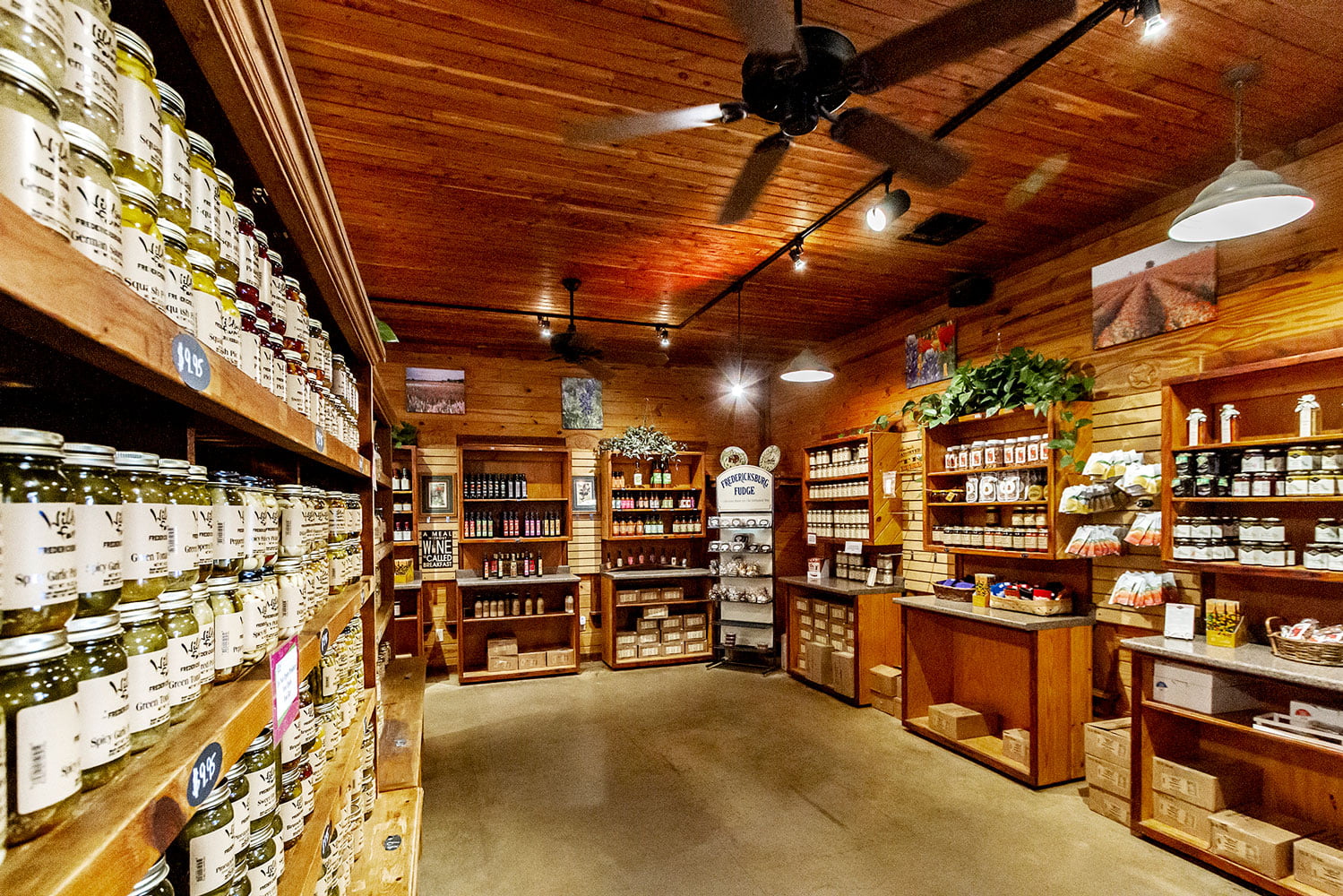
Grab a sandwich, a cold beer, and an ice cream while you browse one of the largest selections of specialty foods in the Hill Country!

Seasonal gifts and home décor not found anywhere else. Shop our 2000 square foot Market Center. You are sure to find something for every occasion and everyone.
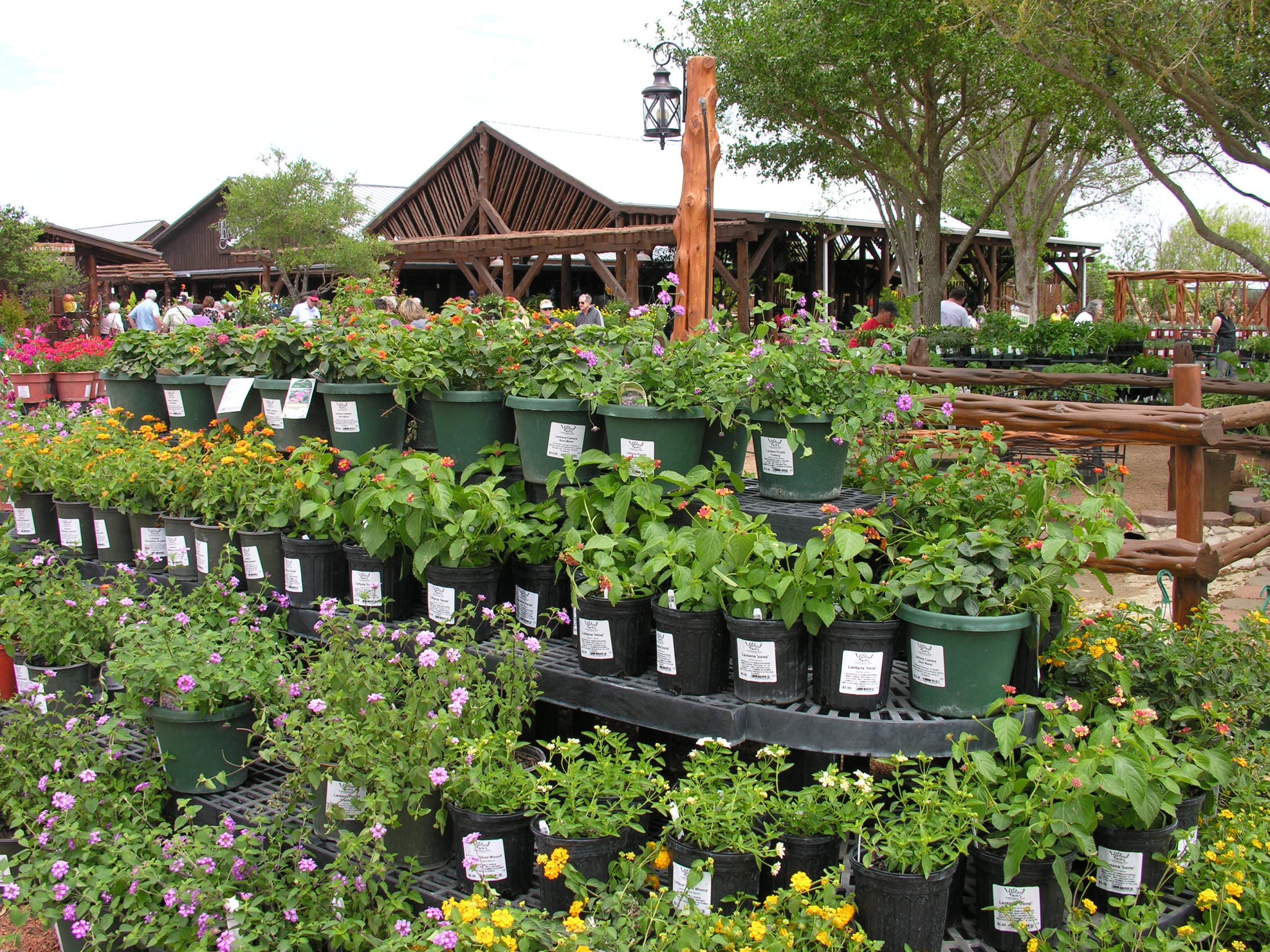
The Nursery at Wildseed Farms is one of the largest in the area, offering both native and adaptive plants.
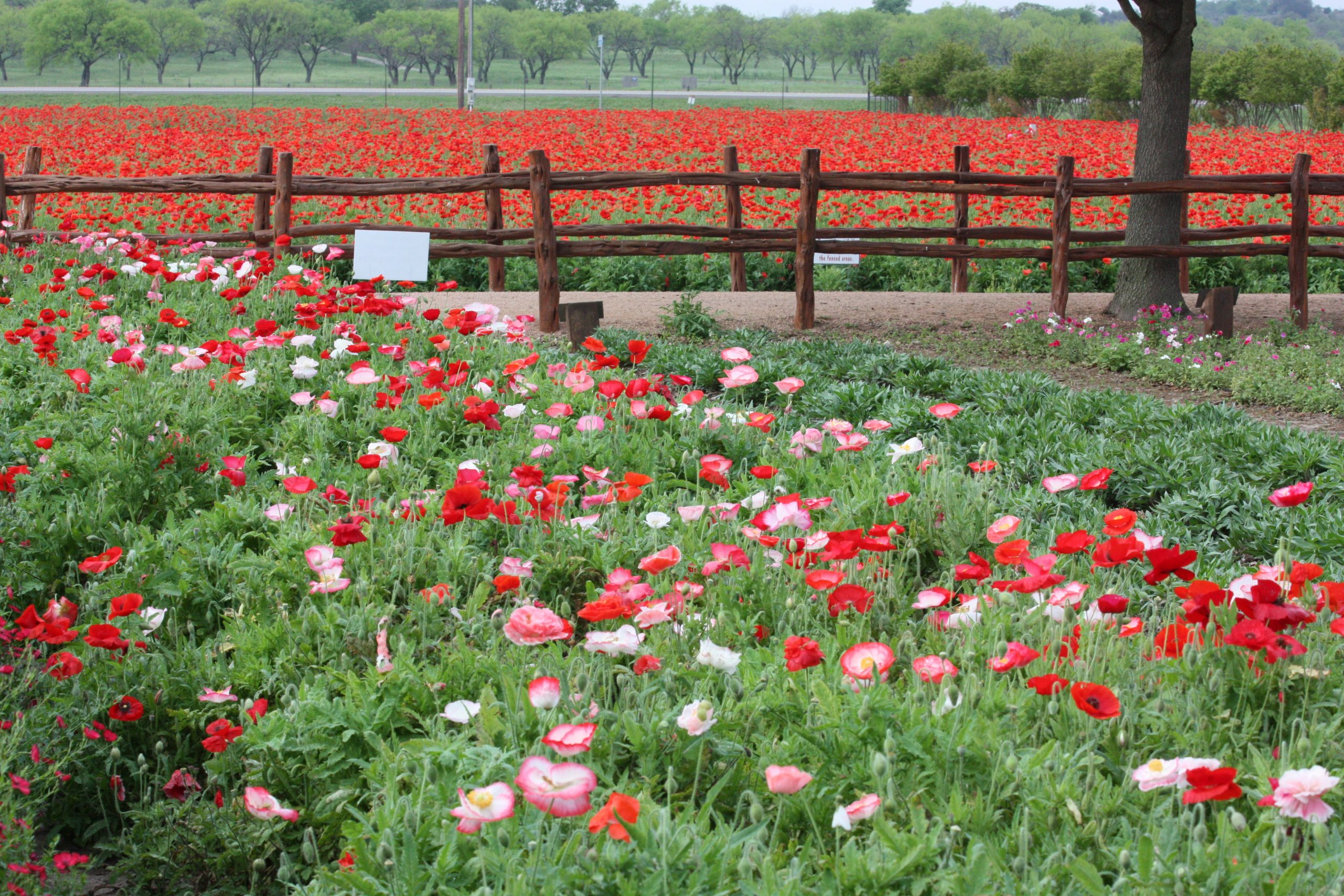
Half a mile walking trail and gardens surrounded by acres of production crops and vineyards. With blooms mostly March thru October.

We currently have 40 acres of vineyard on property, with future expansions already in the works. Taste the fruits of our labor in our full line up of Hill Country wines. We also feature a selection of wines highlighting some of the premier fruit from the Texas High Plains.
Wine Tasting $25/person
Sweet Wine Tasting $20/person
We Ship across the Nation! Shop Wines online.
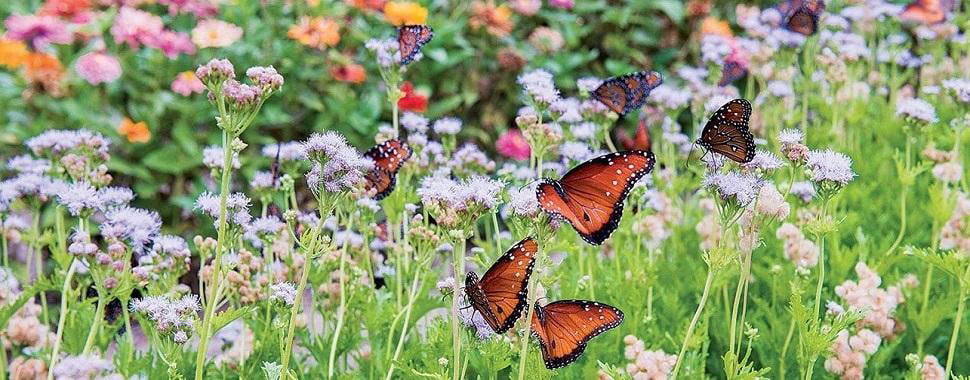
Visit a real working wildflower farm spanning over 200 acres in the beautiful Texas Hill Country. Our display gardens and walking trail are surrounded by lush vineyards located on the migratory path of both butterflies and hummingbirds. Shop at Blossoms Boutique, Lantana Nursery, and the Brewbonnet Biergarten. Fun for everyone!
Shop, Walk the Trails, Grab a Beer, and Enjoy the Farm!
Can’t stop in? Shop Seeds online.
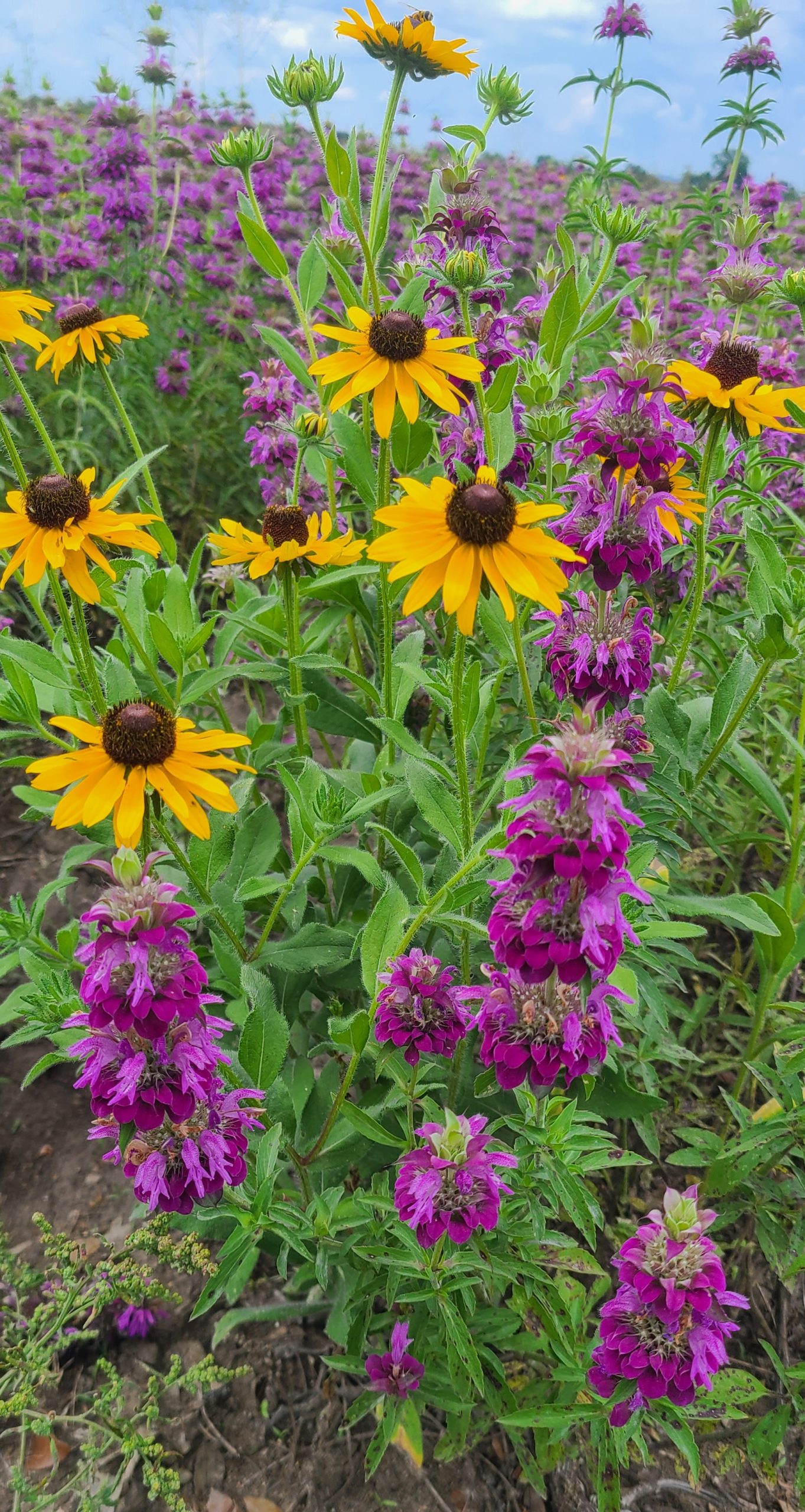
Are you tired of a dull and lifeless yard? Are you looking to add vibrant color, attract pollinators, and create a sustainable environment? Lo...

Understanding the Importance of Pollinators Welcome, fellow plant enthusiasts, to our blog post that will take you on a journey through the...
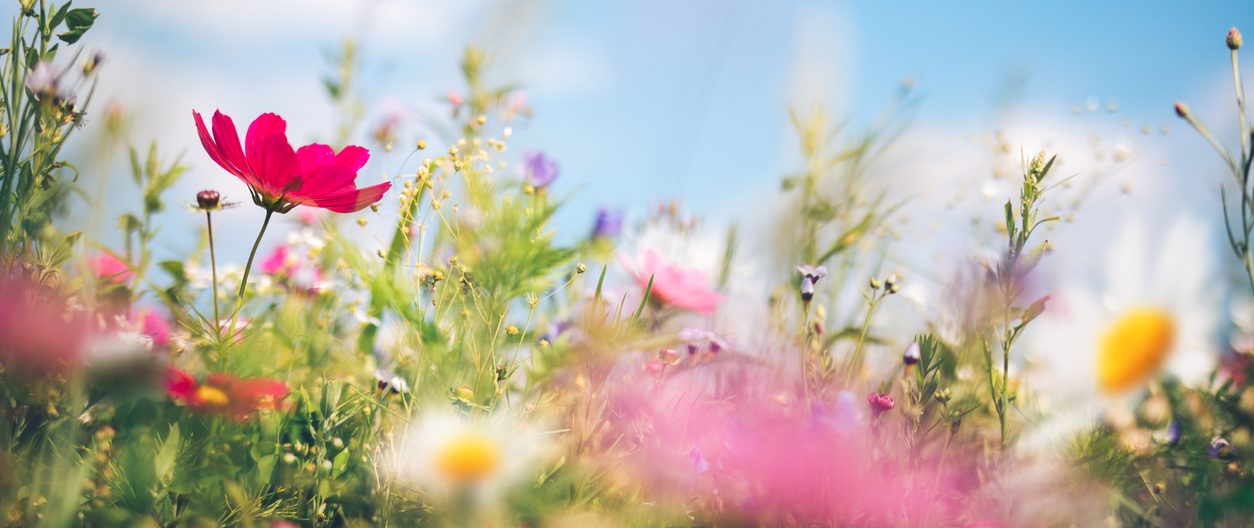
Plants come in a variety of shapes, sizes, and types. Among these, grasses and broadleaf plants are two prominent categories. In this blog, we wil...
Off of Hwy 290 – 100 Legacy Drive
In Fredericksburg, Tx
Sunday – Saturday
9:30am to 5:00pm
Sunday
12:00pm to 5:00pm
Monday – Friday
10:00am to 5:00pm
Saturday
10:00am to 5:00pm
Monday – Friday
9:30am to 5:00pm